
Empowering Teen Mothers for the Digital Economy
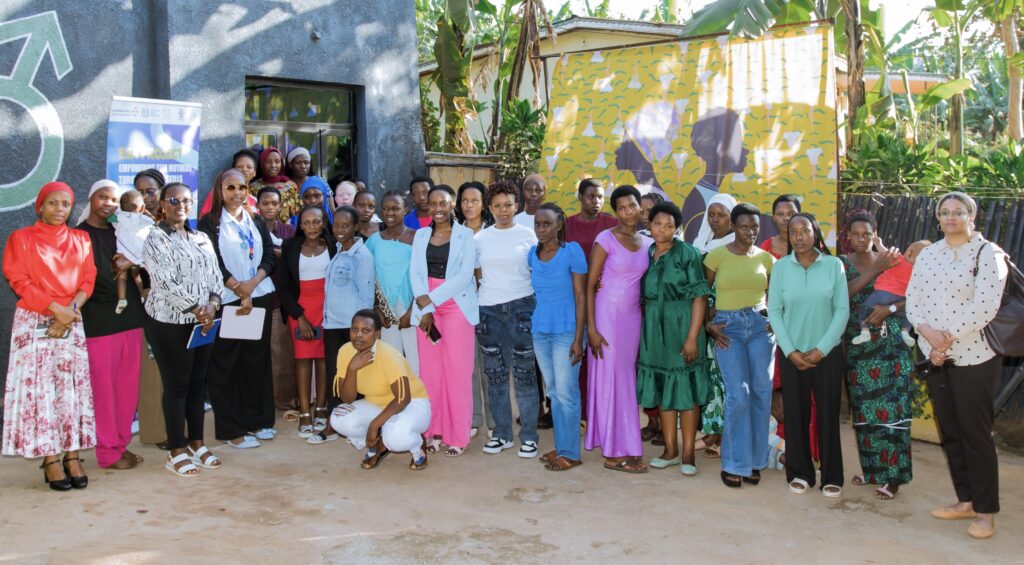
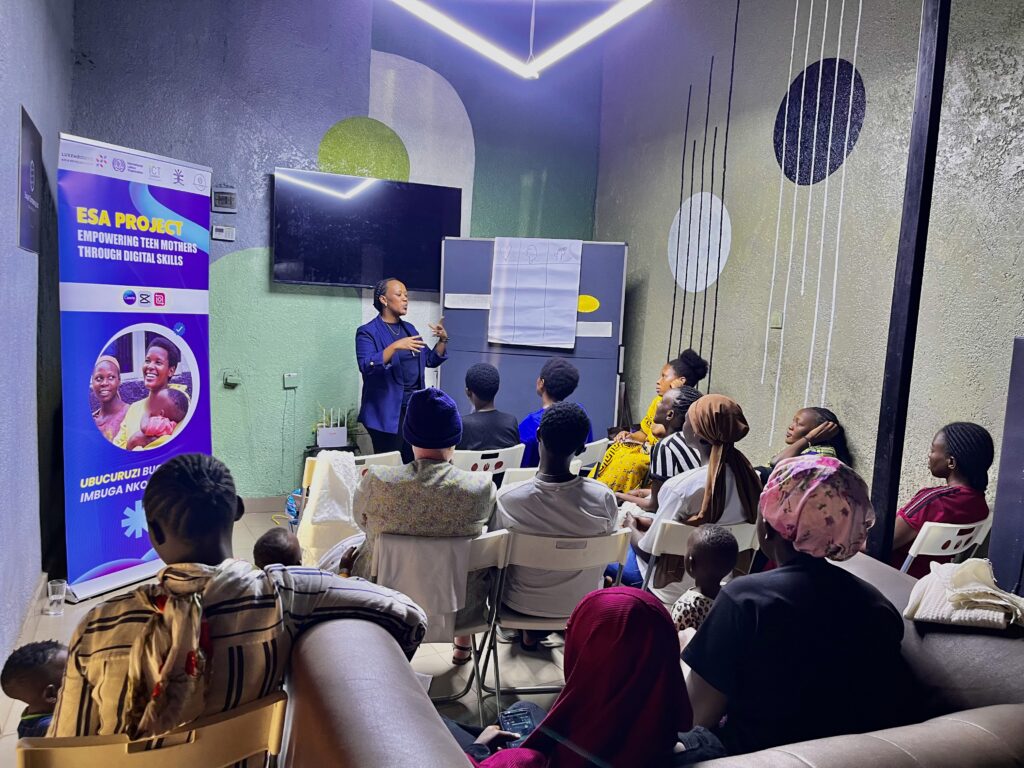
The ESA Project is one of the core programmes within Dukataze’s Teen Mum Incubation Hub. It is designed to equip teenage mothers with the digital, entrepreneurial, and financial skills needed to build sustainable livelihoods in an increasingly technology-driven economy. The programme responds to the reality that poverty and lack of access to information remain key drivers of vulnerability and repeat teenage pregnancy, and that economic empowerment is a critical pathway to breaking this cycle.
The ESA Project is implemented in partnership with the Rwanda ICT Chamber, Ejo Youth Eco, Luxembourg Aid & Development, and the International Labour Organization (ILO).
Why the ESA Project?
Many teenage mothers leave school early and miss the opportunity to develop digital literacy and business skills that are essential in today’s economy. At the same time, traditional employment opportunities often lack the flexibility needed for young mothers who are balancing income generation with childcare responsibilities.
The ESA Project was created to address this gap by introducing teenage mothers to digital tools, entrepreneurship, and financial systems that enable them to create and manage their own businesses. The programme recognizes that when young mothers gain financial independence, they are better able to provide for their children, reduce vulnerability, and make informed life choices that support long-term stability.
What Participants Learn


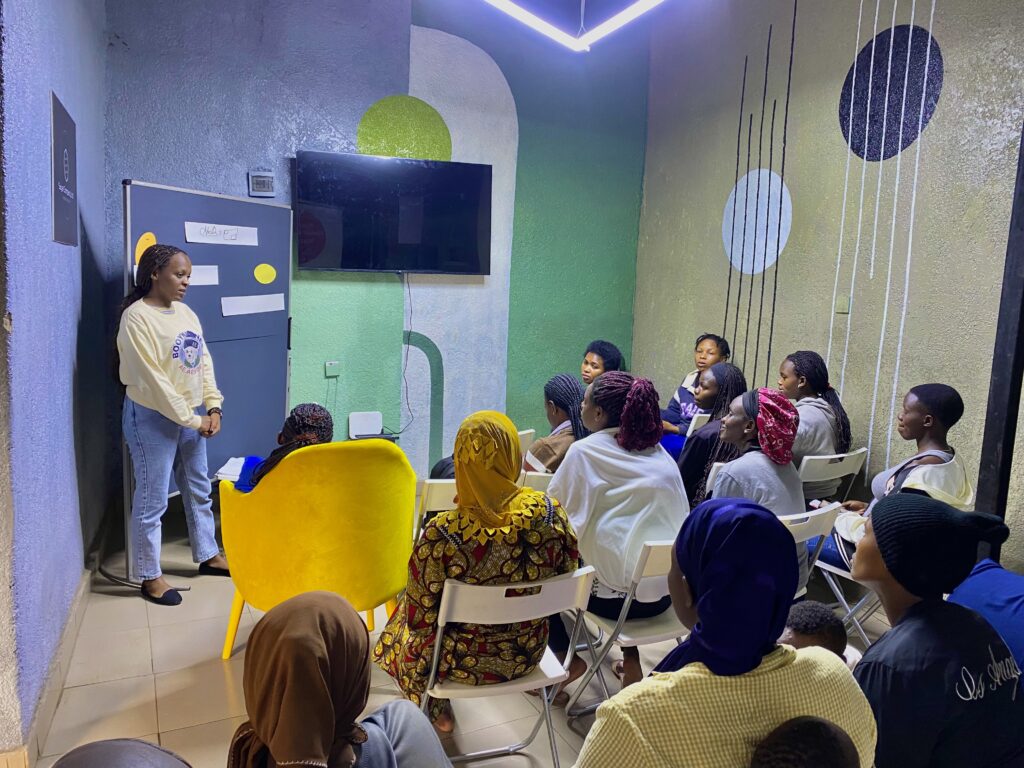
The ESA Project combines digital education, entrepreneurship, and financial empowerment to prepare participants for real-world economic opportunities.
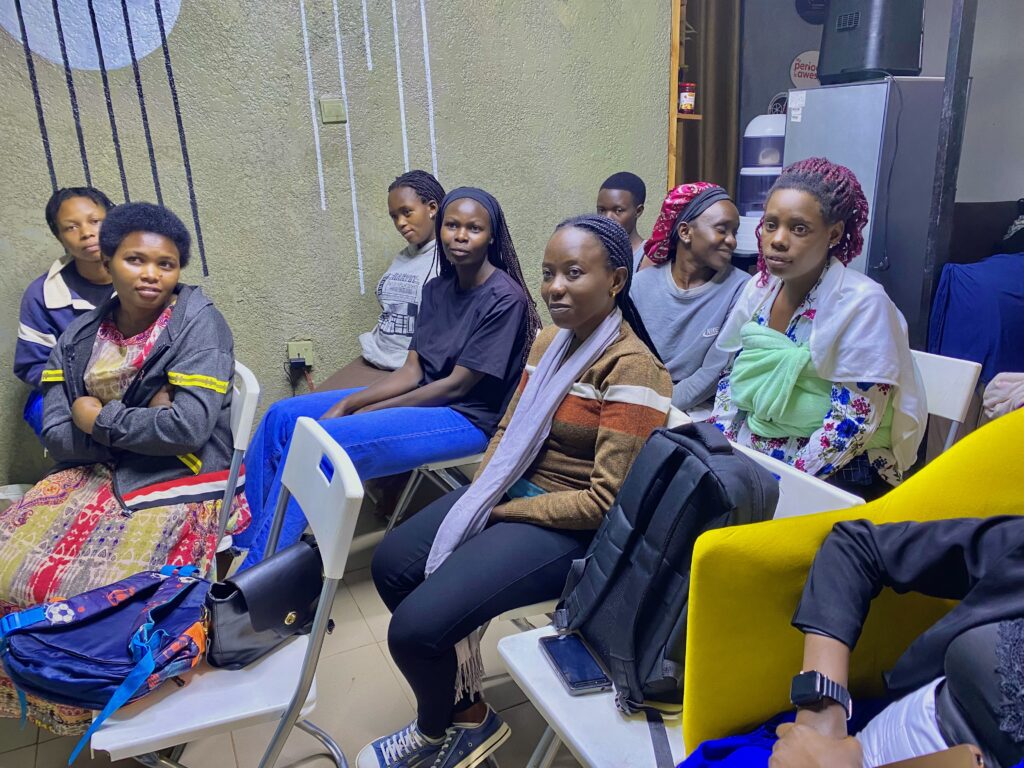
Participants are trained in:
- Digital literacy and computer fundamentals
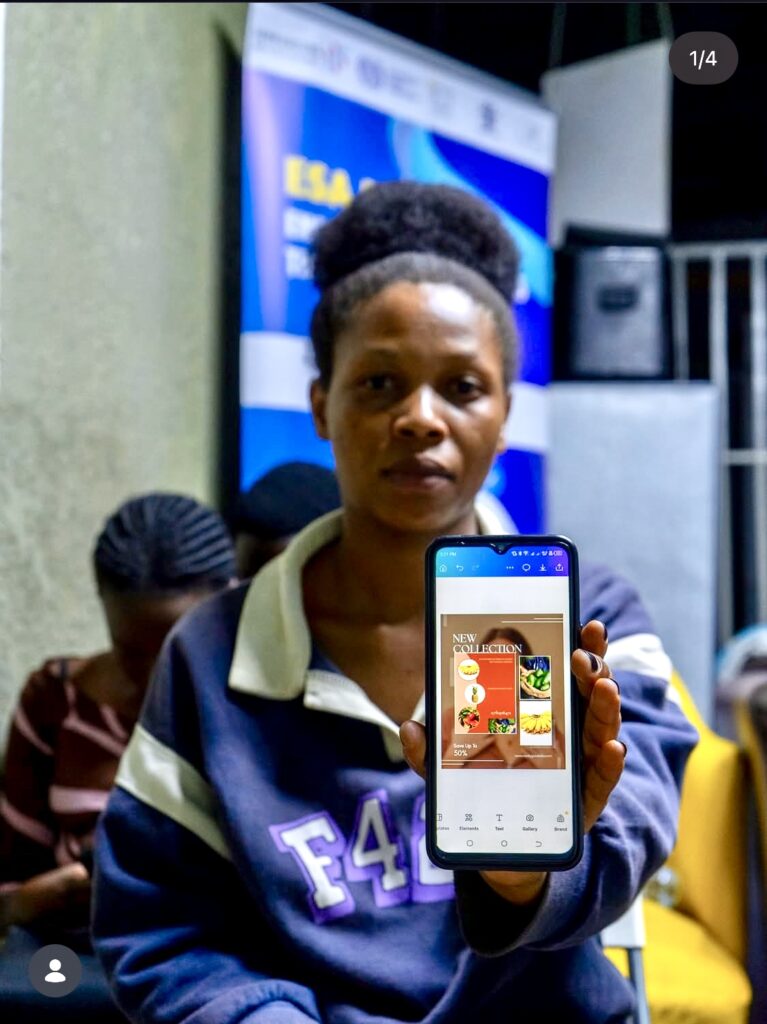
- Social media marketing and online business promotion
- Personal branding and communication skills
- Entrepreneurship and business development
- Business planning and business management
- Business pitching and presentation skills
- Financial literacy and money management
- Savings culture and financial discipline
- Formation and participation in saving groups (VSLA-style groups)
- Customer engagement and market access strategies
Beyond digital and business skills, participants also learn how to develop and grow their own businesses, from idea creation to execution, including how to identify market opportunities, structure small enterprises, and scale income-generating activities.
A strong focus is placed on saving habits and financial discipline, where participants are encouraged to save consistently and join saving groups. These groups help young mothers build financial security, access small internal loans, and develop long-term financial planning habits that support business growth and household stability.
Participants also learn how to pitch their business ideas effectively, an essential skill for accessing opportunities, attracting customers, and seeking support or investment. This builds confidence, communication skills, and the ability to present ideas in a clear and professional manner.
Integrating SRHR Education
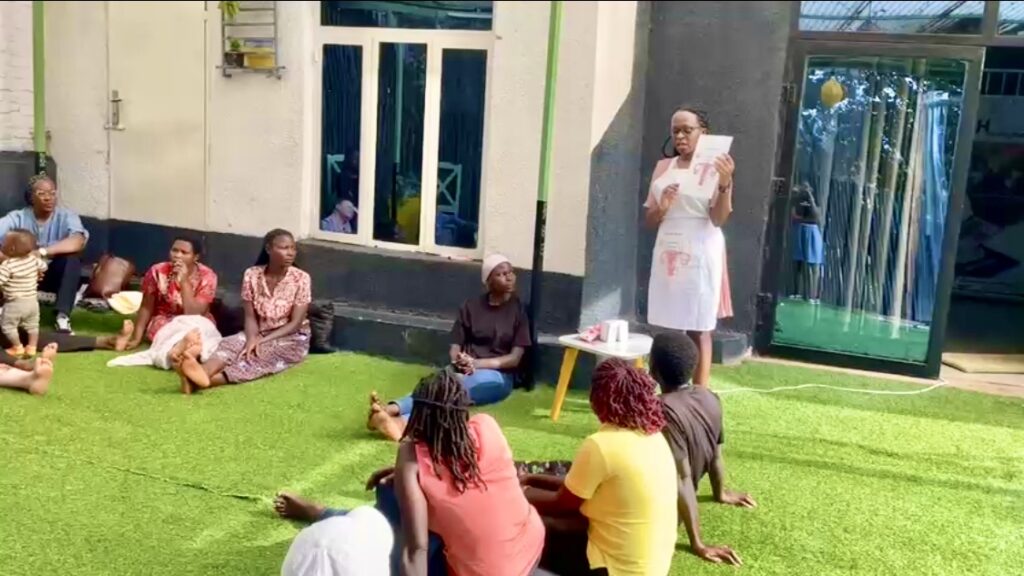
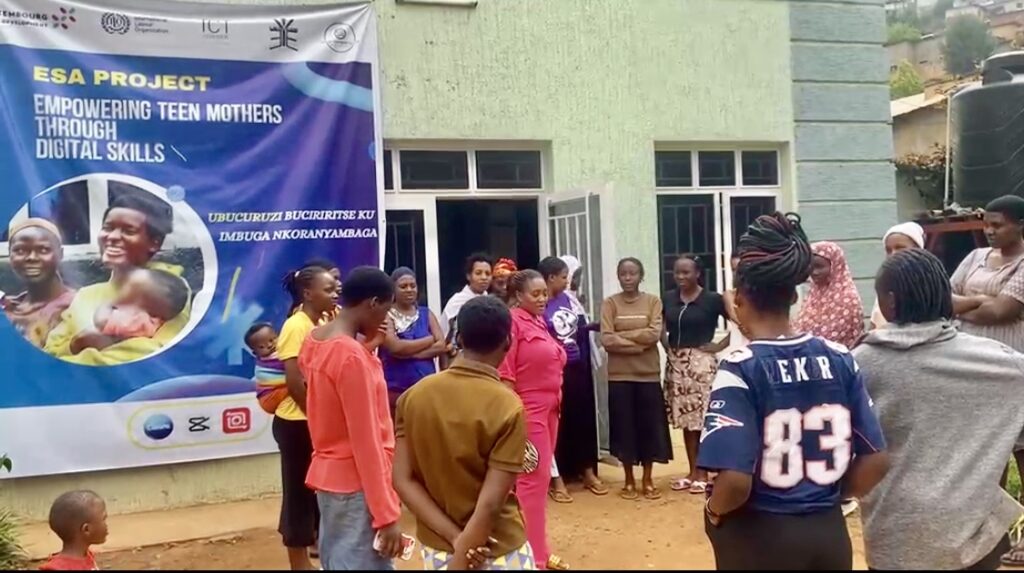
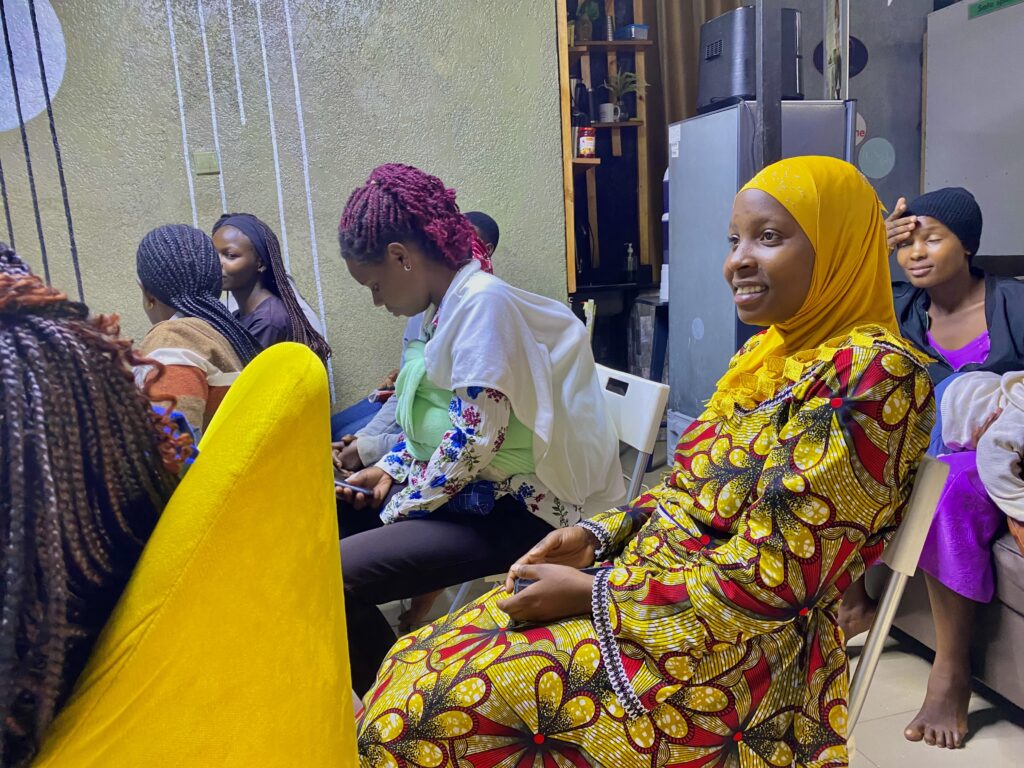
Alongside economic empowerment, the ESA Project integrates comprehensive Sexual and Reproductive Health and Rights (SRHR) education. Participants learn about reproductive health, family planning, healthy relationships, consent, gender equality, and informed decision-making. This ensures that young mothers are not only economically empowered but also equipped with the knowledge to make safe and informed choices about their health and futures.
Creating Lasting Impact
The ESA Project goes beyond digital training, it builds future entrepreneurs, business owners, and financially independent young women.
By combining digital literacy, entrepreneurship, financial education, saving culture, and business pitching skills with SRHR education and childcare support, the programme equips teenage mothers with the tools they need to create sustainable livelihoods.
Participants leave the programme with practical digital skills, stronger financial discipline, business development capabilities, and the confidence to start and grow their own enterprises.
Ultimately, the ESA Project contributes to breaking cycles of poverty by empowering teenage mothers to generate income, manage resources effectively, and make informed decisions that improve their lives and the wellbeing of their children.